A Horse Racing History
A Horse Racing History: From Chariots to the Cheltenham Gold Cup.
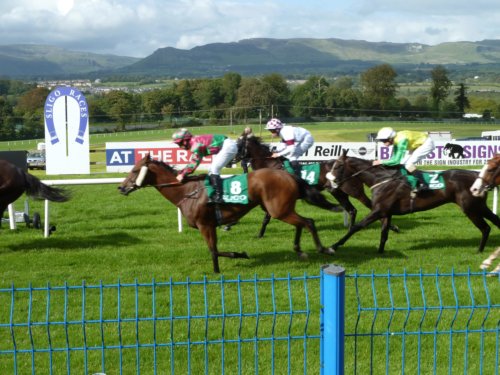 Horse Racing at Sligo in Ireland
People have been racing horses for thousands of years, and we've been betting on the results for nearly as long. This is a quick, chatty tour of how it all started and how it turned into the global spectacle it is today.
Where we're headed:
- Ancient origins (chariots, togas and dust)
- How Britain turned racing into a proper sport
- The American story
- Racing goes global
- The famous races and the horses who ruled them
- How betting shaped the modern game
- Your questions, answered
Ancient Origins
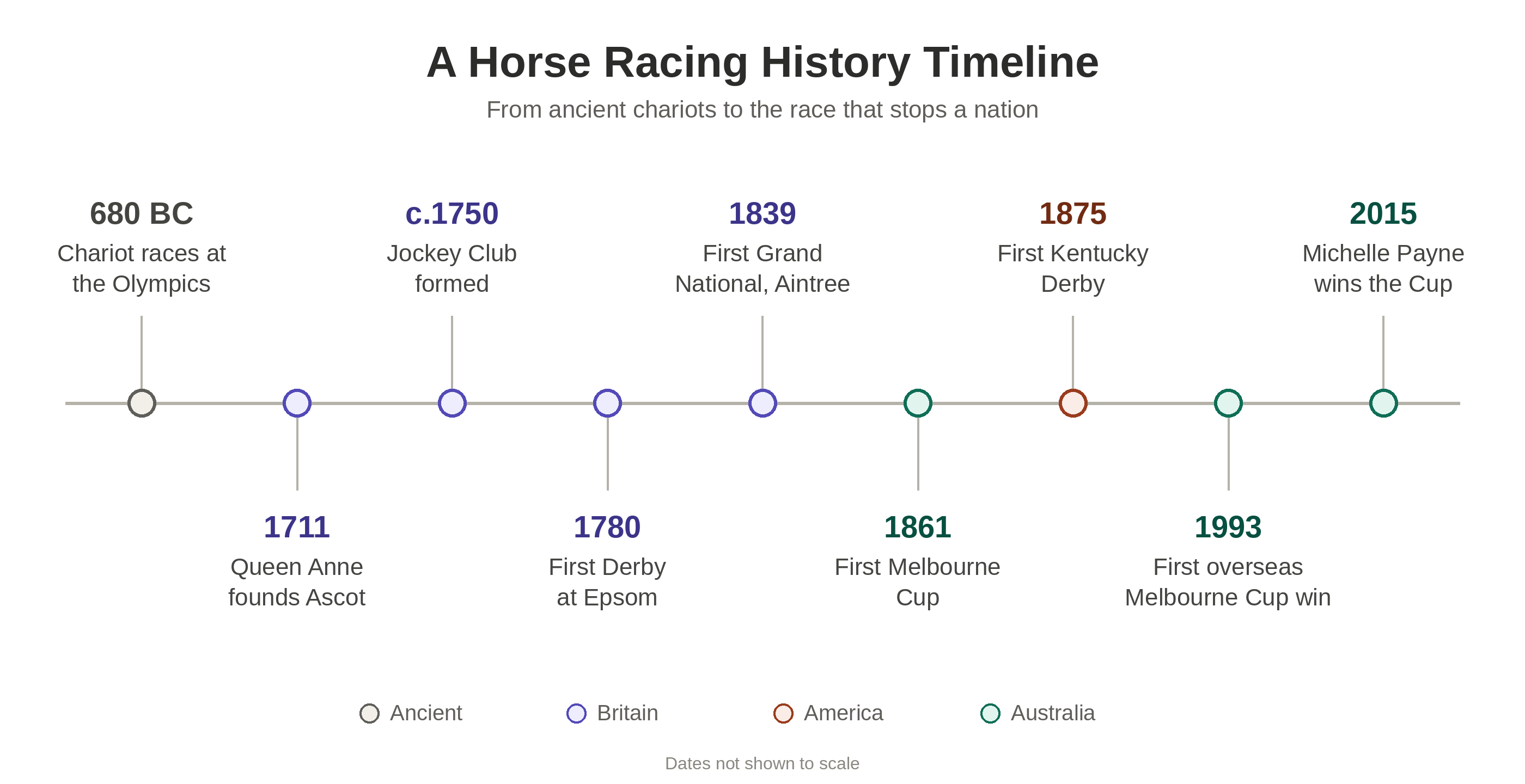 Horse Racing History Timeline
Horse racing is old. Chariot racing was a big deal in ancient Greece, and it was part of the Olympic Games as far back as 680 BC, with riders on horseback following not long after. The Romans took it to another level at the Circus Maximus, where huge crowds turned out to cheer on their favourite teams. Some of the charioteers were basically the superstars of their day.
So when you're watching a Saturday afternoon race and the crowd goes up, you're part of a very long tradition.
A Horse Racing History in Britain
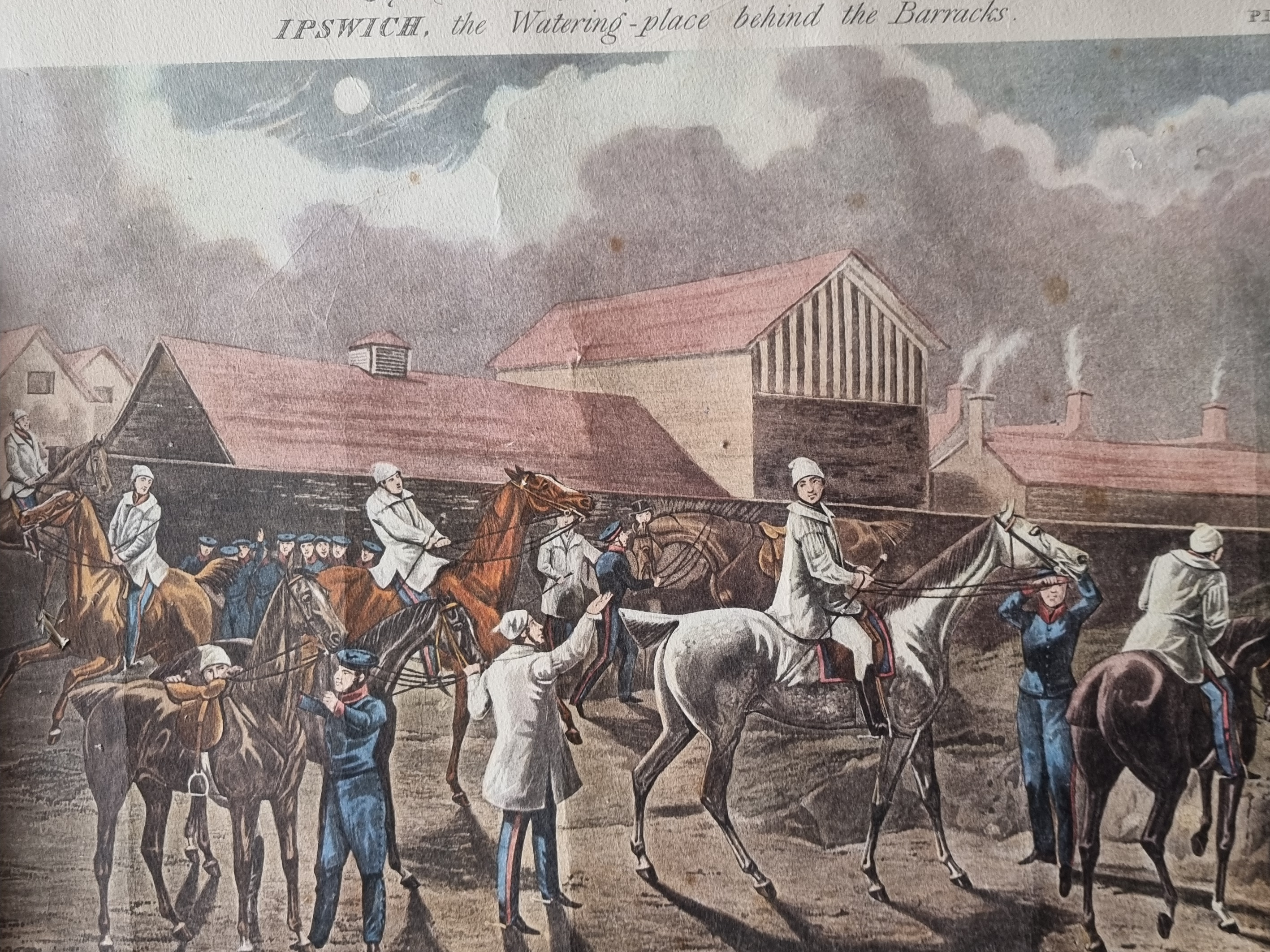 First Steeple Chase On Record
Britain is where racing as we know it really took shape. Racing was already popular for centuries, but it got a big boost under Charles II, the "Merry Monarch", who loved Newmarket. Queen Anne then founded Ascot in 1711.
The real turning point came in the eighteenth century. The Jockey Club was formed around 1750 to bring some order to the rules, and the Thoroughbred breed was developed from three famous foundation stallions: the Byerley Turk, the Darley Arabian and the Godolphin Arabian. Every Thoroughbred on the planet today can trace its line back to them. The classics followed: the St Leger in 1776, the Oaks in 1779 and the Derby in 1780.
Then there's National Hunt racing, the jumping game, with hurdles and fences, and a lot more chaos than flat racing. The Grand National at Aintree got going in 1839, and the Cheltenham Festival has since become the heart of the jumps calendar.
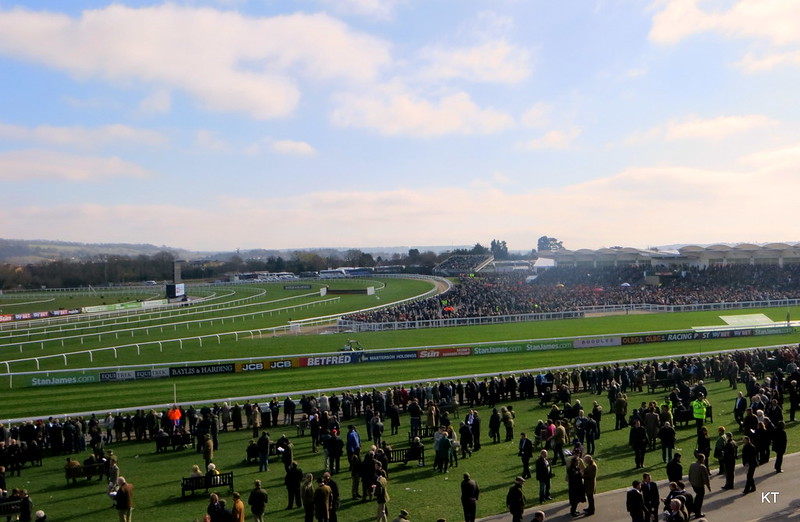 Cheltenham Racecourse photo by Kate Tann
Horse Racing in America
British settlers brought racing across the Atlantic, and it took root early. Colonial-era courses existed by the 1660s.
The sport really boomed in the nineteenth century, and the Kentucky Derby, first run at Churchill Downs in 1875, became the centrepiece. Together with the Preakness and the Belmont Stakes, it forms the US Triple Crown, which is notoriously hard to win.
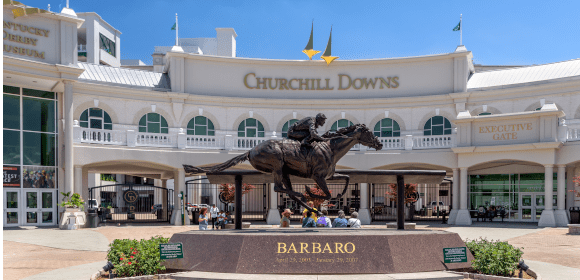 Churchill Downs
Global Expansion
Racing didn't stay put. Today you'll find big-money, high-profile meetings in France (the Prix de l'Arc de Triomphe), Ireland, Hong Kong, Japan, Dubai and plenty of other places. But my favourite is the Melbourne Cup in Australia, the "race that stops a nation". It does, too. Offices and schools down tools to watch.
The Cup has produced some great stories:
- Vintage Crop (1993): trained by Dermot Weld and ridden by Mick Kinane, he was the first overseas-trained horse to win it. That opened the door for plenty of international raiders.
- Media Puzzle (2002): another Weld winner, ridden by Damien Oliver. It was an emotional one, as Oliver rode just days after his brother Jason died following a race fall.
- Pirate of Penzance (2015): Michelle Payne became the first female jockey to win the Melbourne Cup, a big moment in a sport long dominated by men.
- Cross Counter (2018): the first British-trained winner, trained by Charlie Appleby and ridden by Kerrin McEvoy.
 Michelle Payne with Prince of Penzance Photo: Chris Phutully
Famous Races and Legends
Cheltenham Festival. This is National Hunt racing at its best: big fields, big fences and a roar from the crowd you can feel in your chest. It's given us heroes like Desert Orchid, Best Mate and Kauto Star.
Red Rum. He won the Grand National three times (1973, 1974 and 1977) and is probably the most famous racehorse in British history.
Desert Orchid. "Dessie" was a grey with a fan club the size of a pop star's, and he won the King George VI Chase four times as well as the 1989 Cheltenham Gold Cup.
Race days to circle in the diary. The King George VI Chase at Kempton on Boxing Day, and Derby Day at Epsom in the summer. Both are great days out even if you never place a bet.
How Betting Shaped Modern Racing
Okay, let's talk about gambling. A horse racing history would not be complete without Betting. Racing and betting have gone hand in hand for centuries, and the money did a lot to shape the sport.
It helped fund prizes and breeding, and it created the whole world of bookmakers, odds and handicaps. The handicap system, where better horses carry more weight, exists to make races more competitive, and that's exactly what makes them fun to bet on.
Some people have made serious money from it. Harry Findlay, owner of the great Denman, built a name as a fearless punter. Bill Benter, an American gambler, became famous for using computer models to beat the markets in Hong Kong.
The point isn't to copy them. It's that racing rewards people who do their homework, such as studying form, understanding the handicap and keeping up with the horses and jockeys.
And today, online platforms mean you can place a bet in seconds. The rules of racing are simpler than they look from the outside, and once you've got the basics, it's a much friendlier game.
 Galway Festival Races, Ireland
A Horse Racing History Quick FAQ
When did horse racing begin?
Organised chariot racing was part of the ancient Olympics by 680 BC, so it goes back well over two and a half thousand years. Racing on horseback is thought to be even older.
Where did modern horse racing develop?
Mainly in Britain, where racing was formalised in the seventeenth and eighteenth centuries and the Thoroughbred breed and the classic races were established.
What's the difference between flat and National Hunt racing?
Flat racing is run on level ground with no obstacles, and tends to be about speed. National Hunt racing involves jumping hurdles or fences and often longer distances, which means more stamina and more drama.
 Kauto Star wins the King George VI race at Kempton
More useful articles


Returns Policy: Once a customer has agreed to pay for a product or service no returns will be permitted or payments returned.
All PayPal transactions are subject to the PayPal Privacy Policy
Privacy Policy: Personal details provided to this site by an individual may be shared with third parties unless requested otherwise.
Above policies updated 15 March 2018
Recent Articles


-
Australian Horse Racing Daily Tips Are Exciting And Different
Nov 11, 26 03:44 PM
 Australian horse racing daily tips unearth some of the finest thoroughbreds such as the undefeated wonder mare Black Caviar
-
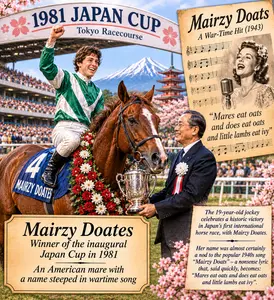
Japan Cup History Mairzy Doates
Nov 11, 26 12:51 PM
 Japan Cup History Mairzy Doates: how a 1981 experiment, won by a sore-ankled American mare called Mairzy Doates, grew into one of the world's great races.
-
The Lucky 15 Bet: A Popular Multiple Bet Strategy
Nov 11, 26 04:53 AM
 The Lucky 15 Bet: A popular multiple bet strategy that can pay out even if only one selection wins, consisting of 15 different combinations