Cheltenham Horse Racing
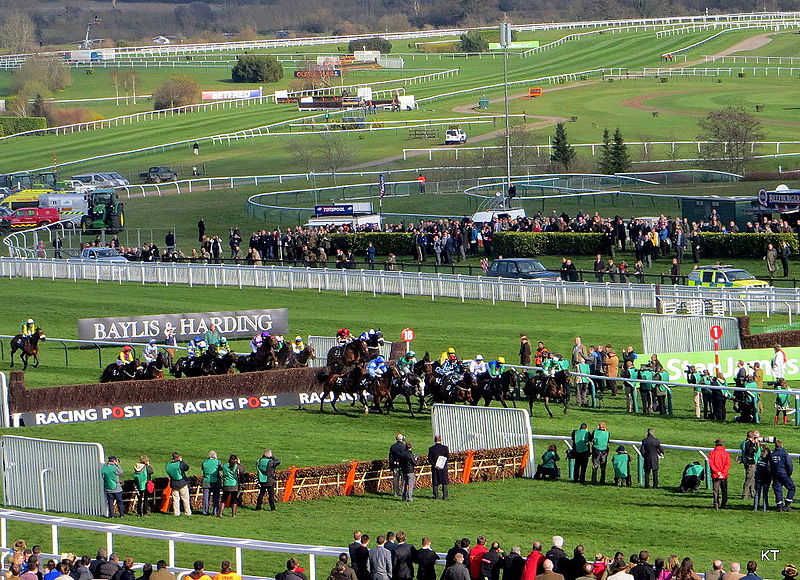 Cheltenham Horse Racing
Cheltenham Horse Racing: Complete Guide to the Festival, Main Races, and How to Enjoy It
Introduction
The Cheltenham Festival stands as the pinnacle of National Hunt racing, attracting the finest horses, jockeys, and trainers from around the world. Over the four exhilarating days, a total of 28 races captivate racing enthusiasts and punters alike, each promising its own unique blend of drama and excitement.
Whether you're planning your first visit, looking to watch from home, or seeking smarter ways to approach Festival betting, this guide covers everything you need to know about Cheltenham horse racing.
We’ll be highlighting the leading trainers, jockeys and horses and breeders for the Cheltenham Festival 2026 below, but first, we’ll briefly explain -
What Is the Cheltenham Festival?
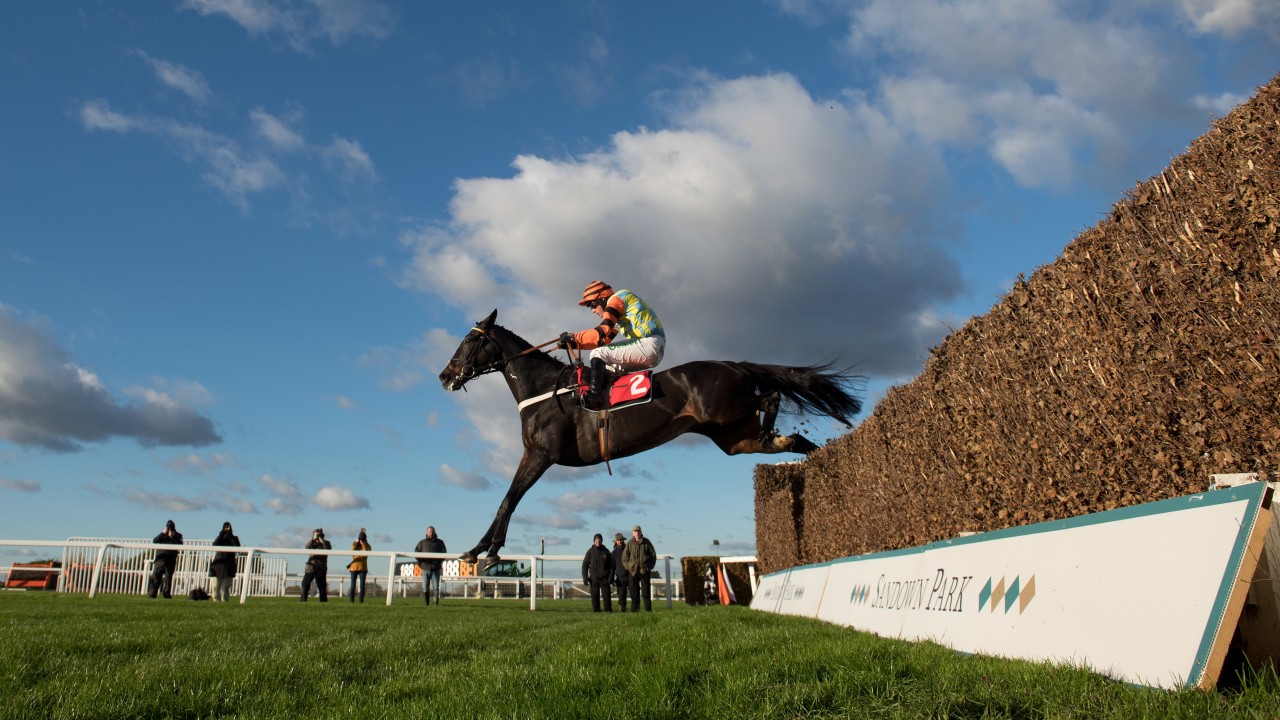 Past Festival winner Mite Bite winning at Sandown
The Cheltenham Horse Racing Festival is National Hunt racing's premier event, held annually at Cheltenham Racecourse in Gloucestershire, England. Established in 1860, the Festival has evolved into a four-day spectacular that showcases the world's best jump horses competing across hurdles and steeplechases.
The Festival represents the culmination of the jumps season, where months of preparation converge in races ranging from explosive two-mile sprints to gruelling three-mile-plus stamina tests.
It's where legends are born, reputations are made, and the sport's greatest rivalries unfold before capacity crowds exceeding 260,000 across the week.
When Does the Cheltenham Horse Racing Start?

2026 Festival Dates: The Festival runs from Tuesday 10th to Friday 13th March 2026, with racing beginning at 1:30 PM each day.
The Four Championship Days
- Day 1 – Champion Day (Tuesday): Features the Champion Hurdle, showcasing the fastest hurdlers over two miles
- Day 2 – Ladies Day (Wednesday): Highlighted by the Queen Mother Champion Chase, the two-mile chase championship
- Day 3 – St Patrick's Thursday: Includes the Stayers' Hurdle and Ryanair Chase for middle-distance specialists
- Day 4 – Gold Cup Day (Friday): Culminates with the Cheltenham Gold Cup, jump racing's ultimate test
How to Attend
Tickets: Book early through the official Cheltenham Racecourse website. Options range from general admission (typically £45-70 per day) to premium hospitality packages. The Festival regularly sells out, particularly for Gold Cup Friday, so secure your tickets as soon as they're released in the autumn.
Getting There: Cheltenham Racecourse is easily accessible by road (free parking available with advance booking) and rail (shuttle buses run from Cheltenham Spa station). Many racegoers make a week of it, staying locally and soaking up the unique Festival atmosphere. Book accommodation early, as hotels within a 20-mile radius fill up months in advance.
What to Expect: Dress smart-casual (many opt for traditional racing attire), arrive early to explore the parade ring and betting ring, and prepare for changeable March weather—layers and waterproofs are essential. The atmosphere builds throughout the day, with the famous Cheltenham horse racing festival roar greeting the first race, creating an unforgettable experience.
How to Watch & Follow
TV Coverage: ITV Racing provides comprehensive free-to-air coverage of all 28 races across the four days, with expert analysis and behind-the-scenes access.
Streaming: Racing TV and ITVX offer live streaming options for viewers in the UK and Ireland.
Radio: BBC Radio 5 Live and talkSPORT provide ball-by-ball commentary for those following on the move.
Key Races & Days: The Festival's Championship Events
Day 1: Champion Day
Supreme Novices' Hurdle (1:30 PM): The Festival curtain-raiser showcases future stars making their Cheltenham horse racing debut. Past winners include Altior and Douvan, both of whom achieved legendary status.
Arkle Challenge Trophy: A showcase for novice two-mile chasers, boasting former winners like Sprinter Sacre and Moscow Flyer.
Champion Hurdle (3:30 PM): The day's centerpiece and hurdling's blue riband event. Icons such as Istabraq (three-time winner) and Hurricane Fly have graced this contest, which demands exceptional speed and stamina over two miles.
Close Brothers Mares' Hurdle: Elite female hurdlers compete in this competitive Grade 1 contest.
Day 2: Ladies Day
Ballymore Novices' Hurdle: Emerging talents take their first steps toward Festival stardom in this intermediate-trip event.
Brown Advisory Novices' Chase: A grueling three-mile test for novice chasers that has produced future Gold Cup champions like Lord Windermere.
Queen Mother Champion Chase (3:30 PM): Ladies Day's showpiece is an electrifying two-mile chase featuring the fastest steeplechasers. Legends like Sprinter Sacre and Master Minded have conquered this ultimate test of speed and precision.
Day 3: St Patrick's Thursday
Turners Novices' Chase: Staying chasers showcase their abilities in this stamina-sapping contest.
Ryanair Chase (2:50 PM): Introduced in 2005, this two-and-a-half-mile championship has seen distinguished winners like Cue Card and Vautour, bridging the gap between speed and stamina.
Stayers' Hurdle (3:30 PM): The marathon of hurdling at three miles tests courage and determination. Big Buck's (four-time winner) and Inglis Drever epitomize the relentless stamina required.
 Cheltenham Winners Enclosure
Day 4: Gold Cup Day
Triumph Hurdle (1:30 PM): The juvenile hurdling championship often reveals future Festival stars.
County Hurdle: A fiercely competitive handicap hurdle attracting large fields.
Albert Bartlett Novices' Hurdle: Tests emerging staying novice hurdlers over three miles.
Cheltenham Gold Cup (3:30 PM): The Festival's grand finale and jump racing's ultimate prize.
The Cheltenham Gold Cup: Jump Racing's Blue Riband
The Boodles Cheltenham Gold Cup is the pinnacle of the sport—a three-mile, two-and-a-half-furlong test that demands stamina, jumping prowess, and tactical brilliance. Winning the Gold Cup cements a horse's place in racing immortality.
Legendary Gold Cup Champions
Arkle: The gold standard. A three-time winner in the 1960s, Arkle is widely considered the greatest steeplechaser in history, such was his dominance.
Desert Orchid: The "Grey Flash" captured hearts with his front-running bravery, culminating in an unforgettable 1989 Gold Cup victory in heavy ground.
Kauto Star: The only horse to regain the Gold Cup (2007 and 2009), Kauto Star's epic rivalry with stablemate Denman produced some of the race's most thrilling renewals.
Al Boum Photo: Dominated the modern era with back-to-back victories in 2019 and 2020, showcasing the relentless stamina and class required.
Galopin Des Champs: The Willie Mullins-trained superstar who won back-to-back Gold Cups in 2024 and 2025, establishing himself as one of the modern greats.
The Gold Cup typically runs at 3:30 PM on Gold Cup Friday, providing the Festival's climactic moment as the racing world holds its breath.
A Smarter Way to Bet at Cheltenham
1. Understand That Cheltenham Is Different
Festival races attract stronger fields, better ground preparation, and horses specifically targeted for peak performance. Form lines from ordinary meetings don't always translate—look for horses with previous Festival experience or proven big-race temperament.
2. Focus on Trainer and Jockey Patterns
Certain trainers excel at preparing horses for Cheltenham's unique demands. Willie Mullins' Irish raiders consistently outperform their odds, while Nicky Henderson's champions often improve significantly from their trial runs. Track which trainers target specific races and which jockeys thrive on Festival pressure.
3. Beware the Over-Hyped favourite
Festival favourites face intense media scrutiny and compressed odds. Since 2000, fewer than 40% of Festival favourites have won. Look for value in horses trading at 4/1 to 8/1 with solid form credentials but less hype.
4. Master Each-Way Betting Strategy
With competitive fields, each-way bets offer genuine value at the Festival. Races with 16+ runners pay four places at 1/4 odds—identify consistent horses that may not win but regularly hit the frame.
5. Specialise in Race Types
Rather than betting on every race, develop expertise in specific categories. Novice chases often produce more predictable results than open handicaps. The Champion Hurdle rewards speed, while the Gold Cup demands stamina—understand what each race tests.
6. Use Course History and Ground Conditions
Cheltenham's undulating track and often testing ground favour certain horse types. Previous Cheltenham winners (even in different races) have proven they handle the course. Check ground conditions daily—heavy ground transforms races, favouring stamina over speed.
7. Manage Your Festival Bankroll
Set a budget for the four days and stake consistently. Avoid chasing losses on Day 1 that leave you under-staked for the Gold Cup. Consider spreading bets across multiple days rather than front-loading Tuesday.
Remember: The bookmakers' margins are tightest at Cheltenham, and professional punters are active. Focus on value, trust your analysis over media hype, and don't feel compelled to bet on every race. Selective discipline beats scattergun punting.
Pay attention to top tipsters such as the legendary Tom Segal (Pricewise in the Racing Post)
Looking Ahead to the 2026 Festival
As we approach the 2026 renewal, ante-post markets will begin to form in the autumn of 2025, following key trials like the Irish Champion Hurdle, Clarence House Chase, and Leopardstown's Christmas Festival. Keep an eye on:
- Emerging novices making their mark in Grade 1 company during the winter months
- Dual winners seeking a third consecutive Festival victory in their respective divisions
- Young trainers like Henry de Bromhead and Dan Skelton continuing to challenge the established order
- Ground conditions in the lead-up—a wet winter can completely reshape Festival betting markets
The 2026 Festival promises to deliver the same thrilling drama that has defined Cheltenham for over 160 years. With Irish dominance showing no signs of waning, British trainers will be desperate to reclaim some of their former Festival glory.
What to Watch: Building Your 2026 Cheltenham Festival Knowledge
Emerging Novices Making Their Mark in Grade 1 Company
The path to Cheltenham glory often begins in the winter months, when promising novices step up from maiden and lower-grade wins to face Grade 1 competition. These races serve as crucial proving grounds, shaping the Festival's unfolding narrative.
Key Winter Trials to Follow
For Novice Hurdlers:
Tolworth Hurdle (Sandown, January): A traditional Supreme Novices' Hurdle trial that has produced champions like Altior and Constitution Hill. Winners here often start favourite at Cheltenham.
Chanelle Pharma Novices' Hurdle (Leopardstown Christmas Festival): Ireland's premier novice hurdle, consistently identifying future Festival stars from Willie Mullins and Gordon Elliott's yards.
Adonis Hurdle (Kempton, February): A final pre-Cheltenham test for juvenile hurdlers targeting the Triumph Hurdle.
For Novice Chasers:
- Henry VIII Novices' Chase (Sandown, December): An early-season pointer for the Arkle Chase, testing speed and jumping ability over two miles.
- Maghull Novices' Chase (Aintree, January): Showcases emerging two-mile chasers in the North West.
- Sporting Life Arkle Challenge Trophy Trial (Cheltenham Trials Day, January): The ultimate dress rehearsal on the Festival course itself.
- Flogas Novice Chase (Leopardstown Christmas Festival): Ireland's key trial for the Turners Novices' Chase and Brown Advisory Novices' Chase.
Cheltenham Racecourse Chase CourseWhen identifying potential Festival winners from these winter novice races, watch for:
Jumping quality under pressure: Cheltenham's speed and undulations punish poor jumpers. Novices who jump fluently when racing keenly or under challenge demonstrate the technique needed for Festival success.
Professional attitude: The Festival's atmosphere can overwhelm inexperienced horses. Look for novices that travel smoothly through races, settle for their jockey, and quicken decisively—these horses possess the temperament for Cheltenham, where races are fast and furious.
Margin of victory matters less than manner: A hard-fought neck victory where a horse battles bravely often indicates more Festival potential than a 10-length demolition of weak opposition.
Trainer confidence: Willie Mullins and Nicky Henderson rarely commit their best novices to early-season Grade 1s unless they believe they have serious Festival contenders. When these trainers run novices in January trials rather than waiting, pay attention.
Recent Success Stories
Constitution Hill's dominance in the 2022 Tolworth Hurdle signalled his Champion Hurdle credentials a full year before he won it. Galopin Des Champs' impressive novice chase campaign in 2022-23, including wins at Leopardstown, mapped out his path to Gold Cup glory. These horses didn't emerge in March—they announced themselves months earlier through winter Grade 1 performances.
For 2026, keep close tabs on any novices that win winter Grade 1s by three lengths or more while looking comfortable. Those horses often start as Festival favourites.
Dual Winners Seeking a Third Consecutive Festival Victory
Winning the same race at two consecutive Cheltenham Festivals puts a horse in rare company. Achieving a third consecutive victory elevates them to legendary status.
Historical Context: The Triple Crown Challenge
Only a handful of horses have won the same Cheltenham Festival race three times consecutively:
Quevega (Mares' Hurdle 2010-2014): The ultimate Festival specialist, Willie Mullins' mare won an unprecedented six consecutive Mares' Hurdles, with her first three establishing the modern benchmark.
Big Buck's (Stayers' Hurdle 2009-2012): Paul Nicholls' staying hurdle phenomenon dominated the three-mile division with four consecutive victories, showcasing remarkable consistency and durability.
Istabraq (Champion Hurdle 1998-2000): Aidan O'Brien's champion claimed three consecutive Champion Hurdles before foot-and-mouth disease prevented his bid for a fourth in 2001.
2026 Triple Crown Contenders
Several horses will attempt to join this elite group at the 2026 Festival:
Galopin Des Champs (Gold Cup): After winning back-to-back Gold Cups in 2024 and 2025, Willie Mullins' superstar will attempt to match the achievements of Best Mate (2002-2004) as a modern Gold Cup three-timer. The stamina-sapping nature of the Gold Cup makes this the toughest triple crown to achieve—most chasers decline or suffer injuries before reaching a third attempt.
At 10 years old in March 2026, Galopin Des Champs faces the challenge of maintaining peak form while his younger rivals mature into their prime. His jumping prowess and tactical versatility give him a genuine chance, but history suggests the odds are against any horse winning three consecutive Gold Cups in the modern era.
Constitution Hill (Champion Hurdle): If the Nicky Henderson-trained phenomenon returns from his injury setbacks, he could attempt to join Istabraq's three-peat. Constitution Hill dominated the 2023 Champion Hurdle and won again in 2024, displaying a turn of foot that rivals have struggled to match. However, his injury history raises durability concerns.
Unlike staying hurdlers, two-mile hurdlers racing at championship level face intense speed pressure that can expose any physical weaknesses. At nine years old, Constitution Hill remains in his prime, but maintaining the explosive speed required to win Champion Hurdles becomes progressively harder as horses age.
Potential Rising Stars: Keep watch for horses winning their second consecutive Festival race in 2025. These could be your 2026 triple crown contenders. Races like the Ryanair Chase, Queen Mother Champion Chase, and Stayers' Hurdle often see repeat winners, though three-peats remain exceptionally rare outside the Champion Hurdle and Stayers' Hurdle divisions.
 Kauto Star
The Physical and Mental Demands
Achieving three consecutive Festival victories requires:
Exceptional durability: Horses must stay sound through three gruelling jumps seasons, avoiding the career-threatening injuries that plague National Hunt racing.
Trainer brilliance: Peaking a horse for Cheltenham three years running demands masterful training. Willie Mullins and Nicky Henderson excel at this, carefully managing their champions through the season to arrive at the Festival in optimal condition.
Luck with ground conditions: A horse that excels on good ground may face entirely different conditions across three Festivals. True champions prove versatile enough to handle varying underfoot conditions.
Mental toughness: Returning to Cheltenham as a two-time winner brings added pressure. The crowd's expectations, opponents specifically targeting you, and the weight of history all test a champion's resolve.
If you're betting on Triple Crown attempts, recognise that the odds reflect genuine difficulty—only the exceptional achieve it.
Young Trainers Challenging the Established Order
While Willie Mullins, Nicky Henderson, and Gordon Elliott continue to dominate Festival statistics, several younger trainers have emerged as genuine threats to the old guard.
Henry de Bromhead: The Established Challenger
At 51, Henry de Bromhead may not fit the "young trainer" label perfectly, but his relatively recent rise to Festival prominence marks him as a key challenger to Mullins' Irish dominance.
Festival Breakthrough: De Bromhead's 2021 Festival was historic—he became the first trainer to win the Champion Hurdle (Honeysuckle), Champion Chase (Put The Kettle On), and Gold Cup (Minella Indo) in the same year. This unprecedented treble announced him as a major Festival force.
Training Philosophy: Based at Knockeen in County Waterford, de Bromhead's patient, horse-first approach has produced multiple Festival winners. He excels at developing novices into championship contenders, with Bob Olinger and Quilixios showcasing his ability to bring young horses through the grades.
2026 Prospects: Honeysuckle's retirement leaves a void, but de Bromhead consistently produces Festival contenders across multiple divisions. Watch for his novice chasers stepping up to championship level—his track record suggests several will be competitive.
Dan Skelton: Britain's Rising Star
Dan Skelton represents Britain's best hope of reclaiming Festival dominance from the Irish trainers.
Background and Approach: After serving as assistant to Paul Nicholls, Skelton established his own yard in Warwickshire and has systematically built one of Britain's largest jumps operations. His volume approach—training over 200 horses—mirrors the Irish model, giving him the numerical strength to compete for Festival winners.
Festival Record: Skelton's Festival results have improved year-on-year, with multiple winners including Protektorat (Ryanair Chase 2023). His strike rate is building toward the consistency shown by Henderson and Nicholls in their prime.
2026 Watch: Skelton targets specific Festival races months in advance, giving his horses tailored preparation. His conditional jockeys (particularly Harry Skelton, his brother) ride with tactical nous that maximises each horse's chances. For 2026, expect Skelton to field strong teams in the Ryanair Chase, handicap hurdles, and novice divisions. Any horse he commits to a January trial should be noted as a serious Festival fancy.
 Willie Mullins Eyes More Cheltenham Success
Emerging Trainers to Follow
Venetia Williams: The Herefordshire trainer continues to produce Festival contenders, with L'Homme Presse nearly winning the 2024 Gold Cup. At 60, Williams demonstrates that patience and horsemanship can compete with the high-volume Irish operations.
Donald McCain: Operating from Cheshire, McCain has Festival pedigree (his father Ginger trained Red Rum) and regularly fields competitive handicap horses. His ability to place horses cleverly makes him dangerous in the big-field handicaps.
Gavin Cromwell: The Irish trainer is building a reputation for developing progressive young horses. His smaller operation lacks Mullins' and Elliott's resources, but his Festival winners demonstrate quality over quantity.
Joseph O'Brien: Already accomplished at 31, O'Brien (son of legendary trainer Aidan) has Festival winners on his CV and represents the next generation of Irish training brilliance. His Owning Hill yard consistently improves horses, and his analytical approach to race planning makes him a future Festival force.
Why This Matters for 2026
The changing trainer landscape affects betting and expectations:
Irish dominance continues: Unless British trainers significantly increase their budgets and horse numbers, Irish-trained horses will continue winning 60%+ of Festival races. This should inform your betting—Irish horses often offer value despite short prices because they genuinely have superior winning chances.
Challenge the narrative: When the media hypes a Henderson or Nicholls horse, check whether a less-publicized Dan Skelton or Henry de Bromhead runner might offer better value at longer odds.
Identify the next breakthrough: Every few years, a trainer enjoys their breakthrough Festival. Who might that be in 2026? A trainer winning multiple Grade 2s during the winter could be ready to step up at Cheltenham.
Ground Conditions: How a Wet Winter Reshapes Festival Markets
Ground conditions represent the great variable in Festival betting—a factor that can transform favourites into also-rans and outsiders into champions.
Understanding Cheltenham's Ground
Cheltenham's New Course features undulating terrain that drains reasonably well but can become testing after prolonged rain. The Old Course (used for cross-country races) tends to ride softer. Ground descriptions range from:
- Good to Firm / Good: Fast ground favours speedier horses
- Good to Soft: The most common Festival ground
- Soft / Heavy: Stamina-sapping conditions favouring horses proven on testing ground
The Festival's March timing means British weather plays a crucial role. A wet January and February can produce heavy ground, while a dry winter yields faster conditions.
How Ground Conditions Reshape Betting Markets
Speed vs. Stamina Trade-Off:
On good ground, races favour horses with pure speed—they can use their turn of foot to settle tactical questions. On heavy ground, relentless stamina becomes paramount. A Champion Hurdle on heavy ground becomes less about explosive pace and more about which horse can sustain the longest gallop through energy-sapping conditions.
Example: Constitution Hill's devastating speed makes him near-unbeatable on good ground, but if the 2026 Champion Hurdle is run on heavy, a horse like State Man (proven in soft conditions from his Punchestown victories) becomes significantly more competitive.
Track Bias and Course Position:
Heavy ground at Cheltenham can produce an inside-rail bias, where horses racing close to the running rail find better ground. This tactical element favours horses ridden by experienced Cheltenham horse racing jockeys who know when to commit down the inner.
Ground conditions also affect jumping—horses that meet fences correctly on firm ground can struggle to adjust when the take-off zone cuts up on soft.
 Cheltenham Racecourse photo by Kate Tann
Ante-Post Value Shifts:
Shrewd punters monitor long-range weather forecasts and soil moisture levels:
- If you back a stamina-laden each-way shot in November at 20/1, and a wet winter makes heavy ground likely, your horse's chances improve dramatically while the price doesn't shorten until closer to the Festival.
- Conversely, if you've backed a speedy front-runner and a dry winter suggests good ground, your selection becomes even more favourite.
Specific Race Impact:
Gold Cup: Heavy ground makes this the ultimate stamina test. Al Boum Photo excelled on soft ground, while some Gold Cup favourites have disappointed when conditions turned testing. Galopin Des Champs handles all ground, but his main 2026 rivals might not—check their form on soft and heavy.
Champion Hurdle: Good ground suits pure speed horses. Heavy ground helps stay-minded hurdlers who lack an explosive turn of foot but can sustain relentless galloping.
Queen Mother Champion Chase: Two-mile chasers need quick ground to showcase their speed. Heavy conditions negate their main weapon and favour stronger-galloping horses who might lack a gear change.
Stayers' Hurdle: Already a stamina test, heavy ground turns this into a war of attrition. Only the genuinely stout stayers survive three miles in bottomless conditions.
Monitoring Ground Conditions
Start following these indicators from January onward:
Cheltenham's official going reports: The course publishes regular updates on ground conditions, stick readings (measuring ground firmness), and rainfall data.
UK rainfall patterns: A wet January-February typically produces soft ground by Festival time. Track Met Office forecasts for the South West region.
Trial race ground: When Festival contenders run in trials at Ascot, Kempton, or Leopardstown, note what ground they encounter. If they win impressively on soft ground, they're proven for testing Festival conditions. If they struggle on heavy but win on good, you know their ground preference.
Trainer comments: Willie Mulins, Nicky Henderson, and other top trainers often reveal ground preferences in post-race interviews. When Henderson says "he wants better ground," that's valuable intelligence for Festival betting.
 Nicky Henderson
Betting Strategy Based on Ground
Early winter (October-December): Back horses proven on heavy ground at generous ante-post prices if forecasts suggest a wet winter. British-trained horses often offer better value here, as Irish horses dominate the early markets regardless of ground.
Late winter (January-February): Reassess your ante-post positions based on actual ground conditions developing. If you've backed a good-ground horse and the forecast shows persistent rain, consider hedging or trading out.
Festival week: Ground can change between Tuesday and Friday if rain arrives mid-Festival. Stay flexible—a horse that disappointed on soft ground Tuesday might be worth opposing on Thursday, even if its form looks strong.
The Nuclear Option—Course Inspection Threats:
Occasionally, extreme weather forces course inspections or even race cancellations (though rare at Cheltenham). If such threats emerge, markets can swing wildly. Non-runner-no-bet stakes become crucial, and knowing which horses definitely run versus which might be withdrawn protects your bankroll.
Historical Ground Impact
- 2019 Gold Cup: Run on good ground after a dry spell, favouring Al Boum Photo's galloping stamina over horses that needed softer conditions.
- 2013 Champion Hurdle: Heavy ground helped Hurricane Fly grind down rivals in a war of attrition.
- 2008 Gold Cup: Denman's famous victory came on heavy ground that suited his relentless galloping style perfectly, blunting Kauto Star's superior speed.
Recent Articles


-
The Lucky 15 Bet: A Popular Multiple Bet Strategy
Sep 26, 26 04:50 AM
 The Lucky 15 Bet: A popular multiple bet strategy that can pay out even if only one selection wins, consisting of 15 different combinations
 -
Greyhound Racing Locations For Stadia Throughout The UK
Sep 26, 26 04:33 AM
 Finding greyhound racing locations around the UK is quick and easy with this guide to dog tracks around the country
 -
South African Horse Racing Tips With Trainer, Jockey & Horse Data
Sep 26, 26 04:24 AM
 South African horse racing is becoming much better known and punters worldwide can learn more about the race tracks, trainers, jockeys, horses and races