Pick A Grand National Winner In 2026
How to pick a Grand National winner
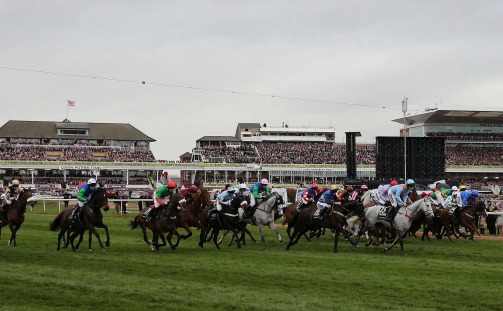 Grand National start
Every year, the Aintree Grand National produces some of the most dramatic moments in sport. Over four miles and two and a half furlongs, across 30 of the most famous fences in the world, it is a race that humbles the greatest horses and rewards the most thorough preparation — both from the horses themselves and the people backing them.
A total of 78 horses have been entered for the 2026 Grand National, with the race scheduled for Saturday, April 11 at 4pm.
That means tens of thousands of punters will be trying to narrow down one winner from a maximum field of 34. So how do you go about it?
Form Ratings gives you all the stats you need at your fingertips - just read the advice below and then get the current ratings for all the Grand National runners to help you track down the winner on the day.
The Practical Framework: Five Things to Check Before You Bet
5 ways to pick a Grand National Winner
Does the Horse Fit the Age Profile?
Age is one of the most reliable filters you can apply to pick a Grand National winner. In the last 13 renewals, winners have ranged from 7 to 11 years old, but the sweet spot is clearly the 8 and 9 year-olds, who have claimed seven victories between them.
Why does this matter? Younger horses often lack the experience to handle Aintree's unique fences. Older horses, while seasoned, may be past their peak. An 8 or 9-year-old usually brings the ideal combination of Aintree know-how and physical prime.
What Weight Are They Carrying?
The Grand National is a handicap, which means the best horses carry the most weight — and history suggests that burden often proves too heavy. In the last decade, very few winners have carried more than 11st 1lb.
A horse aged 10 or older has not won the race since 2014, and top weight has proved particularly hard to overcome. The sweet spot is a horse rated well enough to make the field, but not so highly regarded that the handicapper has loaded them up. Look for runners carrying between 10st 6lb and 11st 2lb.
Have They Run Enough This Season?
Fitness and match sharpness are vital over this gruelling trip. Horses that have had four or more runs in the season tend to outperform those that arrive undercooked.
Equally important is recent distance form — horses that have won or placed in a race of three miles or more in the same season as their National run have a significantly better strike rate than those without that recent staying form.
Is Their Record at the Fences Clean?
The Aintree fences are unlike anything else in jump racing. Check whether a horse has unseated their jockey or fallen in the current season. None of the recent winning horses had unseated their jockey in the season running up to their Grand National victory.
A horse with a clean jumping record going into April is a far safer way to pick a Grand National winner than one that has made costly errors at the fences.
What Do the Odds Tell You?
Avoid the very short-priced favourites. Only two outright favourites and one joint-favourite have won the race in recent years, and the average winning odds sit at around 20/1.
Twenty-three of the last 30 winners were returned at double-figure odds. The race rewards each-way punters who look beyond the headlines. Target horses priced between 14/1 and 33/1 — those are the odds that the statistics consistently validate.
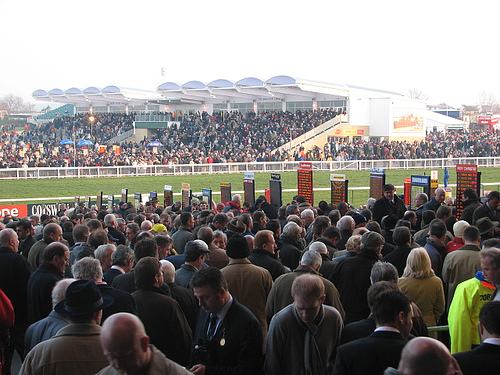 Aintree Grand National Course
Why These Trends Matter
It is easy to dismiss historical patterns as coincidence, but the Grand National is a race where conditions repeat themselves in ways that genuinely influence outcomes. The course has not changed significantly since 2010, so trends from that era onwards carry real weight.
The fences demand a particular jumping style; the distance demands a particular kind of stamina. A horse that has proven itself over three-plus miles, is in the prime age range, and is carrying a manageable weight is not just ticking boxes — it is demonstrating that it matches the profile of horses that have actually won this race in recent history.
Cheltenham Festival form also plays a major role in shaping the Grand National picture and will help to pick a Grand National winner. Horses that impress in March often see their odds shorten as they head to Aintree in top condition.
The Ultima Handicap Chase at Cheltenham is particularly worth studying — it has an outstanding record of pointing towards National contenders.
The 2026 Contenders: Applying the Framework
Iroko — Current Favourite
Iroko finished fourth in last year's National and then returned to win impressively at Ascot, storming clear at the final fence to win by almost five lengths. He is currently among the market leaders and has Aintree experience to draw on.
However, he came out of Cheltenham with questions to answer after struggling under top weight in the Ultima and fading tamely — though connections had always suggested that race was not his primary target.
His age (eight) and jumping record tick the right boxes. The Cheltenham performance needs to be set aside if you believe connections.
Grangeclare West — Booking Market Leader
Grangeclare West finished third in last year's Grand National and came home five and a half lengths clear in February's Bobbyjo Chase on heavy ground, which saw his odds trimmed from 25/1 into 12/1.
He profiles well — recent winning form over staying trips, clean jumping, and a price that sits in the historically productive range. He is a horse the framework points towards.
Johnnywho — The Cheltenham Flier
Johnnywho's victory in the Ultima at the Cheltenham Festival could prove the most significant result when it comes to the Grand National — that race has a standout record of producing Aintree winners, most notably Corach Rambler, who completed the Ultima/National double in 2023.
The nine-year-old is reportedly well-in at the weights, carrying just 10st 4lb. That is exactly the kind of profile — recent staying form, a manageable weight, proven Cheltenham class — that the trends reward.
I Am Maximus — The Champion Chasing Redemption
The Willie Mullins-trained gelding is attempting to regain the crown after being narrowly denied when defending his 2024 title last season. A second place in the Paddy Power Irish Gold Cup in February proved he can still mix it in Grade 1 company.
The concern is age: a horse aged 10 or older has not won the race since 2014, and he carries the top weight of 11st 12lb for the second year running. The history works against him, even if the ability clearly does not.
Haiti Couleurs — Recovering Outsider
Haiti Couleurs saw his Cheltenham challenge end with a mistake in the Gold Cup, but his profile remains that of a thorough stayer with his best performances coming in marathon contests on softer ground — including wins in both the Welsh and Irish Grand Nationals.
He can currently be backed at 25/1, having been the ante-post favourite earlier in the season. If Aintree gets the soft ground that suits him, he could bounce back significantly.
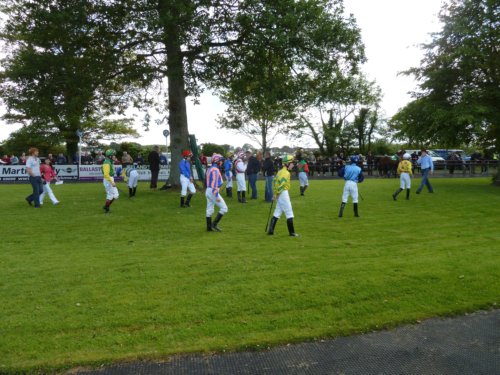 Jockeys wait for their mounts
What to Look For on the Day
Before you finalise your selection, check three things on race morning. First, the going — soft or heavy ground suits certain horses dramatically more than others, and the market will often shift overnight once official going reports are published.
Second, jockey bookings — declarations land 24 hours before the race, and a high-profile booking can be a significant signal of trainer confidence.
Third, watch for any meaningful market moves in the final hours. Early support for leading contenders can signal strong confidence from professional punters, though the price you see the night before can shorten or drift depending on morning news.
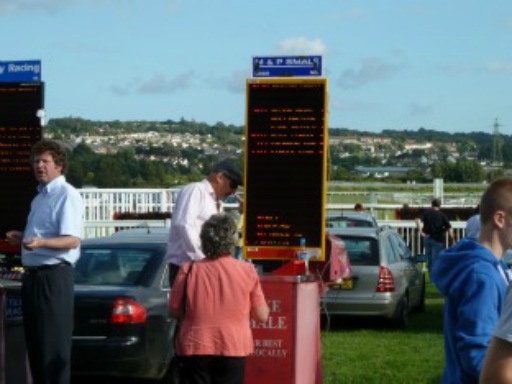 On Course Bookmakers
The Short Version
If you want a quick checklist, look for a horse that is 8 or 9 years old, carrying no more than 11st 2lb, has at least three or four seasonal runs under its belt, has won or placed over three miles this season, and has a clean jumping record.
Then find one in the 14/1 to 33/1 range, and you are working with the grain of Grand National history rather than against it.
Of course, you could always just pick the horse with the best name. It has worked before.
Please gamble responsibly. The above is for informational and entertainment purposes only. BeGambleAware.org
Recent Articles


-
Greyhound Racing Locations For Stadia Throughout The UK
Sep 26, 26 04:33 AM
 Finding greyhound racing locations around the UK is quick and easy with this guide to dog tracks around the country
 -
South African Horse Racing Tips With Trainer, Jockey & Horse Data
Sep 26, 26 04:24 AM
 South African horse racing is becoming much better known and punters worldwide can learn more about the race tracks, trainers, jockeys, horses and races
 -
Top American Racing Picks And Horse Racing Information In The U.S.
Sep 26, 26 04:16 AM
 Learn about American racing and follow our own racing picks through the Graded Stakes races to the Breeders' Cup