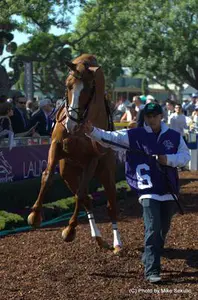
Prestige of the Breeders Cup Championships
 Prestige of the Breeders Cup Championships
If you ask racing people which event matters most in North American Thoroughbred racing, the Breeders’ Cup comes up again and again—two days, the best horses around, and a lot of money on the line.
Why the Breeders’ Cup Is Prestigious: The Quick Version
- Championship status: Winners are often the ones who clinch year-end honours, so these races decide titles as well as pay cheques.
- Huge purses: Millions of dollars are up for grabs across the card, among the richest days in American racing.
- Elite fields: Entry is tough, and only the best horses make the gate.
- Famous winners: Zenyatta, Tiznow, Goldikova and plenty more have made history here.
- International reputation: Top horses fly in from around the world to take on the Americans.
Origins of the Breeders’ Cup
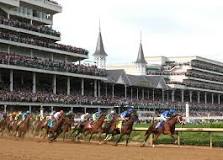 Churchill Downs
The Breeders’ Cup was the brainchild of John R. Gaines and former New York Racing Association executive John Tweedy. In 1983 they put together a detailed plan for a single annual championship for North American racehorses. The Thoroughbred Racing Associations of North America liked the idea, and a year later the Breeders’ Cup World Championships was born.
The first running was in 1984 at Hollywood Park in Inglewood, California. It featured seven races, with a total of $10 million in purses, which was a staggering sum for the time. It then grew fast. More races were added, the purses climbed, and live television coverage brought the whole spectacle into fans’ living rooms.
Over the years the Breeders’ Cup has been hosted by some of America’s best-known tracks, including Santa Anita Park, Belmont Park, Churchill Downs, Keeneland, the Meadowlands and Arlington Park. These days it rotates between California (Santa Anita and Del Mar) and Kentucky (Churchill Downs and Keeneland).
 Santa Anita Park
What Makes It Prestigious
Here’s why, in my view, the Breeders’ Cup sits above an ordinary big race meeting:
- It’s a championship, not just another big day. The races are split into dirt and turf, and each one is aimed at a particular age and sex of horse, so there are winners for every division rather than one headline race.
- Getting in is hard. A horse has to have started officially within the year and be nominated to the Breeders’ Cup program. The Breeders’ Cup committee then has the final say, so the fields really are the cream of the crop.
- The winners become legends. A Breeders’ Cup win on a horse’s record is a stamp of quality, and it often settles arguments about who was the best of their generation.
How does it compare to the other big events? The Kentucky Derby is the one most casual fans know, but it’s a single race for three-year-olds.
The Breeders’ Cup is a whole card of championship races, with older horses, fillies and mares, sprinters and turf specialists all getting their moment.
It’s also one of the few days when the world’s best international runners regularly turn up to take on the Americans.
Famous Champions
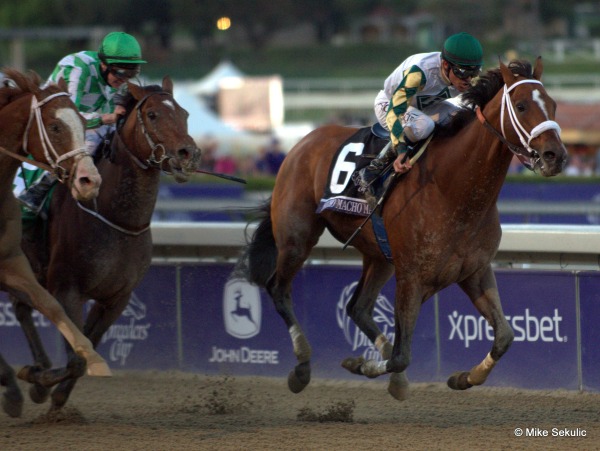 Mucho Macho Man
The Breeders’ Cup has seen some of the greatest horses in history light it up. A few of my favourites:
Zenyatta is regarded by many as one of the greatest racehorses of all time. She was also a showman, and fans loved her high-stepping dance in the pre-parade ring. She won 19 consecutive races, including two Breeders’ Cup victories.
The first was the 2008 Distaff, where she gave her rivals a big head start before reeling them in. The second was the 2009 Classic against the boys, where she trailed the field by around 15 lengths early on, then swept past the leader Gio Ponti in the final stretch to win by a length.
Tiznow is the only horse to win the Breeders’ Cup Classic twice. He was known for being clever and quirky. In his barn he learned to let himself out of his stall and wander the main hall at will.
As he got older he sometimes didn’t fancy morning work, and before the 2001 Breeders’ Cup, he once refused his jockey’s urging to break into a gallop.
Authentic won the 2020 Classic, the first three-year-old to do so since Bayern in 2014.
Mucho Macho Man won a tough Classic in 2013 despite respiratory and hoof problems. His trainer, Kathy Ritvo, had come through a heart transplant in 2008, so it was a doubly inspiring win.
Goldikova holds the spotlight for winning the Breeders’ Cup Mile three times.
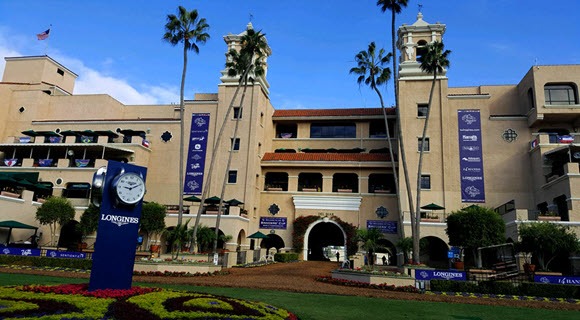 Del Mar Racetrack Paddock
Prestige of the Breeders Cup Championships Lives On
Why It Still Matters Today
Every one of these performances adds to the Breeders’ Cup’s reputation, and the event keeps writing new chapters every year. It started with a clever idea and a seven-race card, and it has grown into the finale of the racing year. Fans, owners and trainers still treat it as the place to prove a horse is truly top class.
FAQ
Why is the Breeders’ Cup considered prestigious?
It combines championship-level races, huge purses, tough entry rules and a long list of legendary winners.
Is the Breeders’ Cup the biggest event in North American racing?
It’s certainly one of the biggest, and many people would say it’s the most important single event for crowning champions. The Kentucky Derby is the most famous individual race, but the Breeders’ Cup is the biggest championship showcase.
Who has won the most Breeders’ Cup races?
Tiznow is the only horse to win the Classic twice, and Goldikova won the Mile three times.
Do international horses run in the Breeders’ Cup?
Yes, and it’s a big part of its status. Horses from Europe and elsewhere regularly travel over to compete.
Back to American Racing from prestige of the Breeders Cup Championships


Returns Policy: Once a customer has agreed to pay for a product or service no returns will be permitted or payments returned.
All PayPal transactions are subject to the PayPal Privacy Policy
Privacy Policy: Personal details provided to this site by an individual may be shared with third parties unless requested otherwise.
Above policies updated 15 March 2018
Recent Articles


-
Australian Horse Racing Daily Tips Are Exciting And Different
Nov 10, 26 03:19 PM
 Australian horse racing daily tips unearth some of the finest thoroughbreds such as the undefeated wonder mare Black Caviar
-
The Lucky 15 Bet: A Popular Multiple Bet Strategy
Nov 10, 26 05:02 AM
 The Lucky 15 Bet: A popular multiple bet strategy that can pay out even if only one selection wins, consisting of 15 different combinations
-
Daily Lay Tips For Races In The UK And Ireland
Nov 10, 26 04:46 AM
 The free Daily Lay Tips will now only be available on weekends; however, you can subscribe to the full service for just £5 per month, as explained below.