Belmont Stakes Betting
Belmont Stakes Betting: What You Actually Need to Know for 2026
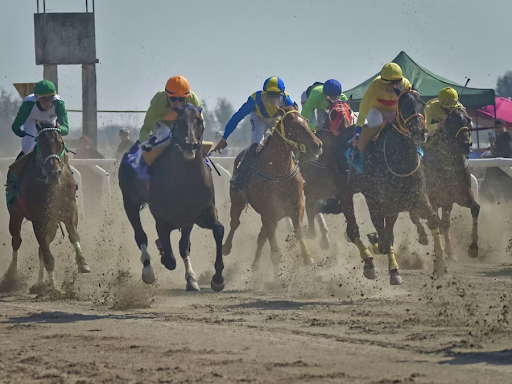 Horse Racing In America
The Belmont Stakes just hits differently. It's the final leg of the Triple Crown, sure, but from the moment the gates open, you can feel that this is its own thing entirely.
The distance is longer, the pace builds more slowly, and the horse that wins usually gets there because of qualities that didn't really matter in the Derby or Preakness. For anyone putting money on this race, that's a big deal — because what worked in those earlier races can totally fall apart here.
It's All About the Distance
Let's start with the obvious: the Belmont is run over 1.5 miles. That makes it the longest race in the whole Triple Crown, and that extra ground changes everything. You can't just look at which horse is fastest. Raw speed doesn't get you to the wire here — stamina does.
You've probably seen it happen before. A horse looks absolutely electric in shorter races, blazing out of the gate, dominating the field — then gets to the Belmont and completely falls apart in the final stretch. Meanwhile, a horse that seemed a little boring earlier in the season just keeps grinding, stays strong late, and crosses the line first. That's the Belmont in a nutshell.
If you're looking back at recent winners, you'll notice a pattern. The horses that win this race tend to have already shown they can stay strong late in a race — not necessarily winning every time, but not fading either. That late-race toughness matters way more here than flashy early speed numbers.
Who's Actually in Shape Coming In?
Here's where it gets interesting for 2026. Not every horse in the Belmont field is coming in fresh. Some have run in both the Kentucky Derby and the Preakness, which is an enormous ask of any horse over just a few weeks. Those horses carry plenty of buzz, but they've also been putting in serious work. That takes a toll, and a big effort at Churchill Downs doesn't automatically mean a horse has anything left in the tank over a longer trip.
Then you've got the fresh horses — the ones whose trainers deliberately skipped one or both of the earlier races to save them for this. Less battle-tested against the top competition, yeah, but they're often arriving at the Belmont in peak condition, with more energy and purpose-built fitness for this exact distance. Trainers who do this aren't being lazy; they're playing a longer game.
For bettors, the job is to weigh those two things honestly. Don't just default to the horse with the biggest reputation coming out of the Derby. Ask yourself whether that horse actually has enough left. And don't automatically dismiss a fresh entry just because they haven't been in the spotlight. Sometimes the quieter prep is the smarter one.
Pace Is a Whole Different Beast Here
If you watch the Belmont (see the above video of the Belmont Stakes 2025) and compare it to the Derby, one of the first things you'll notice is how much more relaxed the early pace feels. Nobody's burning the track up in the first half-mile. That's deliberate. Over 1.5 miles, burning too much fuel early is basically handing the race to someone else.
That more restrained pace totally reshapes the race dynamics. Horses that depend on explosive early speed — the kind that dominates shorter sprints — often find themselves struggling once the race really gets going. They've spent too much too soon. On the flip side, horses that like to settle in, find a rhythm, and build gradually are right at home here.
Closers also have a better shot at the Belmont than at most other races. There's more time and more track to make a move. But timing is everything — go too early and you leave yourself exposed in the final stretch; go too late, and you run out of real estate. It's a tricky balance, but horses that have shown they can thread that needle are well worth paying attention to.
Don't Overlook the Track Itself
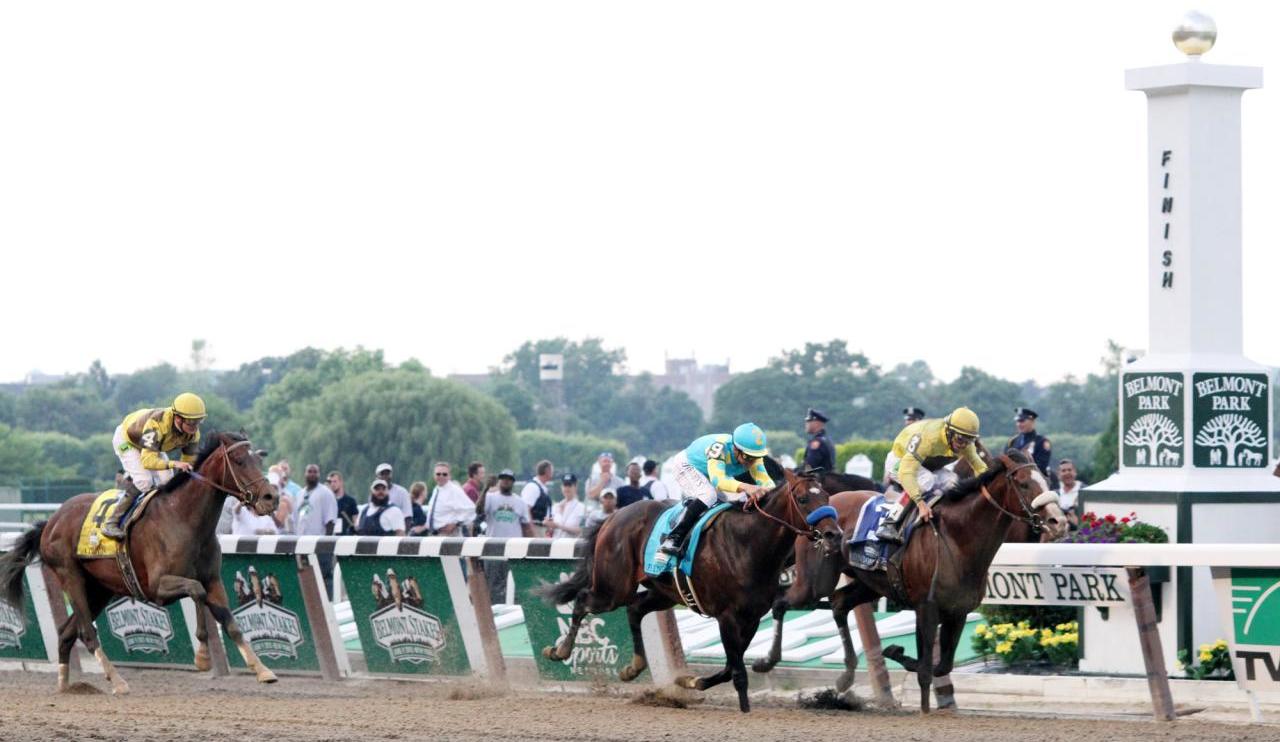
Belmont Park doesn't get enough credit as its own factor. The track is wider than most, which sounds like a small thing, but it genuinely changes how races develop. There's more room for horses to find their spot without getting boxed in, and that benefits runners who prefer a cleaner trip and don't love traffic. At the same time, all that extra space means momentum builds differently through the turns.
The surface tends to be pretty consistent, but keep an eye on the weather. A firm, dry track plays nicely for horses that can hold a steady rhythm over the distance. If things get softer, the whole race slows down a bit, and suddenly endurance and balance matter even more than usual.
The turns at Belmont are another thing worth knowing. They're wide and sweeping — not sharp like you'd see at some other tracks. That means horses need sustained positioning throughout, not just quick reflexes. Any horse that tends to drift or lose its line through a bend can bleed ground slowly without it looking catastrophic in real time. But it adds up.
 American Pharoah - Belmont Stakes 2015 Winner
How To Approach Belmont Stakes Betting
The Belmont kind of forces you to slow down and think, which is honestly not the worst thing. It's not a race you want to attack with gut instincts or knee-jerk reactions based on whatever happened at the Derby. It rewards a more patient approach — which, funnily enough, mirrors exactly how the race itself plays out.
Most experienced Belmont bettors tend to zero in on a small group of genuine contenders rather than scattering bets everywhere. These considerations shape how many approach belmont stakes betting, especially when weighing proven runners against fresher entries that may be better suited to the distance.
Because stamina is such a clear dividing line here, the field usually separates pretty naturally between horses that are built for this and horses that simply aren't. Once you've identified which group each runner belongs to, your decision-making gets a lot cleaner.
The real question usually comes down to proven stamina versus fresh legs. There's no universal right answer — it changes year to year depending on the specific horses — but combining what you know about form, pace preference, and distance suitability gives you a much more solid foundation than just chasing a name.
And above all, remember where this race is decided. Not early, not in the middle — but in that final stretch, when the horses that saved something are suddenly moving forward while others are just trying to hold on. That's the Belmont. Patience, stamina, timing. Nail those three things in your Belmont Stakes betting assessment and you're already ahead of most of the field.


Returns Policy: Once a customer has agreed to pay for a product or service no returns will be permitted or payments returned.
All PayPal transactions are subject to the PayPal Privacy Policy
Privacy Policy: Personal details provided to this site by an individual may be shared with third parties unless requested otherwise.
Above policies updated 15 March 2018
Recent Articles


-
The Lucky 15 Bet: A Popular Multiple Bet Strategy
Oct 09, 26 05:03 AM
 The Lucky 15 Bet: A popular multiple bet strategy that can pay out even if only one selection wins, consisting of 15 different combinations
 -
Daily Lay Tips For Races In The UK And Ireland
Oct 09, 26 04:54 AM
 The free Daily Lay Tips will now only be available on weekends; however, you can subscribe to the full service for just £5 per month, as explained below.
 -
Greyhound Racing Locations For Stadia Throughout The UK
Oct 09, 26 04:41 AM
 Finding greyhound racing locations around the UK is quick and easy with this guide to dog tracks around the country